In this article:
- Collagen doesn't grow new strands like minoxidil; it feeds the amino acids that support each follicle's structure.
- A 16-week study found 2.5g of bioactive collagen peptides daily significantly increased hair thickness in women aged 39 to 75.
- Fish-derived collagen peptides activate the Wnt/β-catenin pathway, helping trigger the hair growth (anagen) phase.
- The best collagen for hair growth is marine-sourced, hydrolyzed under 5,000 daltons, and rich in Type I peptides.
- Doses of 2.5 to 5g daily are the most researched, with up to 10g suggested for advanced concerns.
- Results build in stages: scalp comfort by weeks 4 to 6, less shedding by weeks 8 to 12, visible thickness by week 16 and beyond.
Hair thinning, slow growth and shedding affect most people at some stage. Genetics, hormones, stress and nutritional gaps can all disrupt the hair cycle, leaving strands feeling finer and the scalp looking sparser. Some research shows collagen is a promising ingestible option for restoring strength and density, but does collagen help with hair growth in the way the marketing suggests? Clinical trials link daily supplementation to measurable changes in hair thickness and follicle activity, and knowing how the best collagen for hair growth works, what dose to take and when to expect results turns the category from a guessing game into a routine you can plan around.
Does collagen help with hair growth?
Collagen does not directly grow new hair strands the way medications such as minoxidil do. What it does is support the dermal environment where follicles sit, supplying the amino acids needed to produce keratin, the structural protein that makes up around 95% of the hair shaft. When you ingest hydrolyzed collagen, the peptides break down into amino acids like proline, glycine and hydroxyproline, which the body uses to maintain the extracellular matrix surrounding each follicle.
A 16-week placebo-controlled study on 44 women aged 39 to 75 found that 2.5g of bioactive collagen peptides daily significantly increased hair thickness, while the placebo group saw a slight decline (Oesser, 2020). The same study reported a 31% increase in proliferation of human hair follicle cells after exposure to collagen peptides in vitro.
So, does collagen help with hair growth in a measurable way? In the sense of thicker, healthier strands and more active follicles, the research is promising. As a treatment for medical hair loss conditions, collagen plays a supportive nutritional role in conjunction with prescribed treatments rather than a clinical solution.
How collagen works inside the hair growth cycle
Hair grows in three phases: anagen (growth), catagen (transition) and telogen (rest). Lengthening anagen, or shortening telogen, produces visibly fuller hair.
Preclinical research shows that fish-derived collagen peptides activate the Wnt/β-catenin signaling pathway, which regulates the transition into anagen and stimulates dermal papilla cells (Hwang et al., 2022). A 2024 study on collagen peptides found similar effects, with peptides stimulating the secretion of growth factors including VEGF and PDGF-AB inside human dermal papilla cells, accelerating the onset of the anagen phase in mice (Lee et al., 2024).
This suggests that collagen peptides may feed the cellular machinery that decides whether a follicle stays dormant or kicks back into growth. Whole collagen molecules are too large to absorb efficiently, which is why hydrolysis is central to the science behind collagen peptides used in oral supplements; the process breaks proteins into fragments small enough to cross the gut wall leading to better absorption.
What is the best collagen for hair growth?
Not all collagen is created equally. These four factors matter most:
Hydrolyzed peptides
Whole collagen is too large to absorb intact. Hydrolyzed collagen has been broken into peptides under 5,000 daltons through enzymatic processing, which is the form clinically tested in nearly every published trial.
Marine source
Fish-derived peptides have a smaller molecular weight than bovine, giving them higher bioavailability. Their amino acid profile is also better suited to skin and hair tissues, which is why fish collagen peptides are the focus of most hair-growth research (Hwang et al., 2022).
Type I dominance
Type I is the dominant collagen in skin and hair follicles. Marine collagen is naturally rich in Type I, making it the most relevant choice for hair concerns.
Clinical evidence behind the formula
Peptide composition matters more than the gram count alone. Identifying the best marine collagen product for you means checking that the specific formula has been clinically studied, not just the ingredient class.
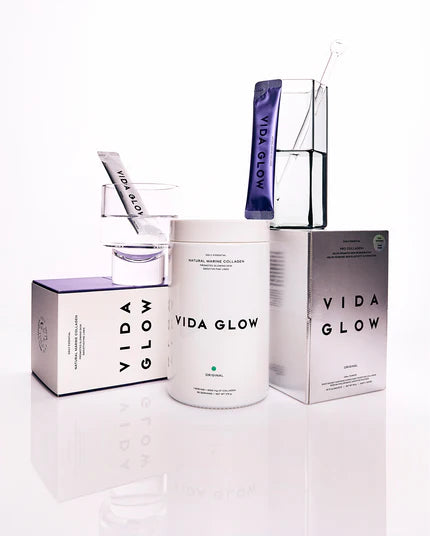
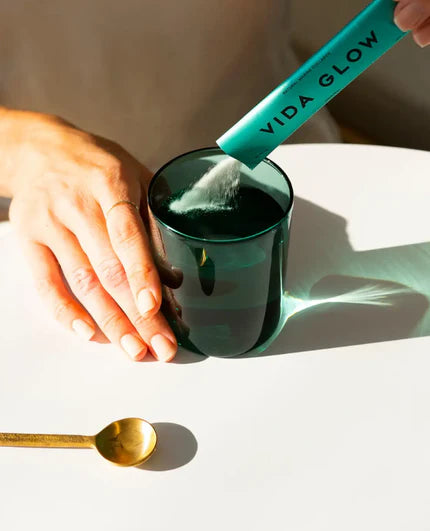
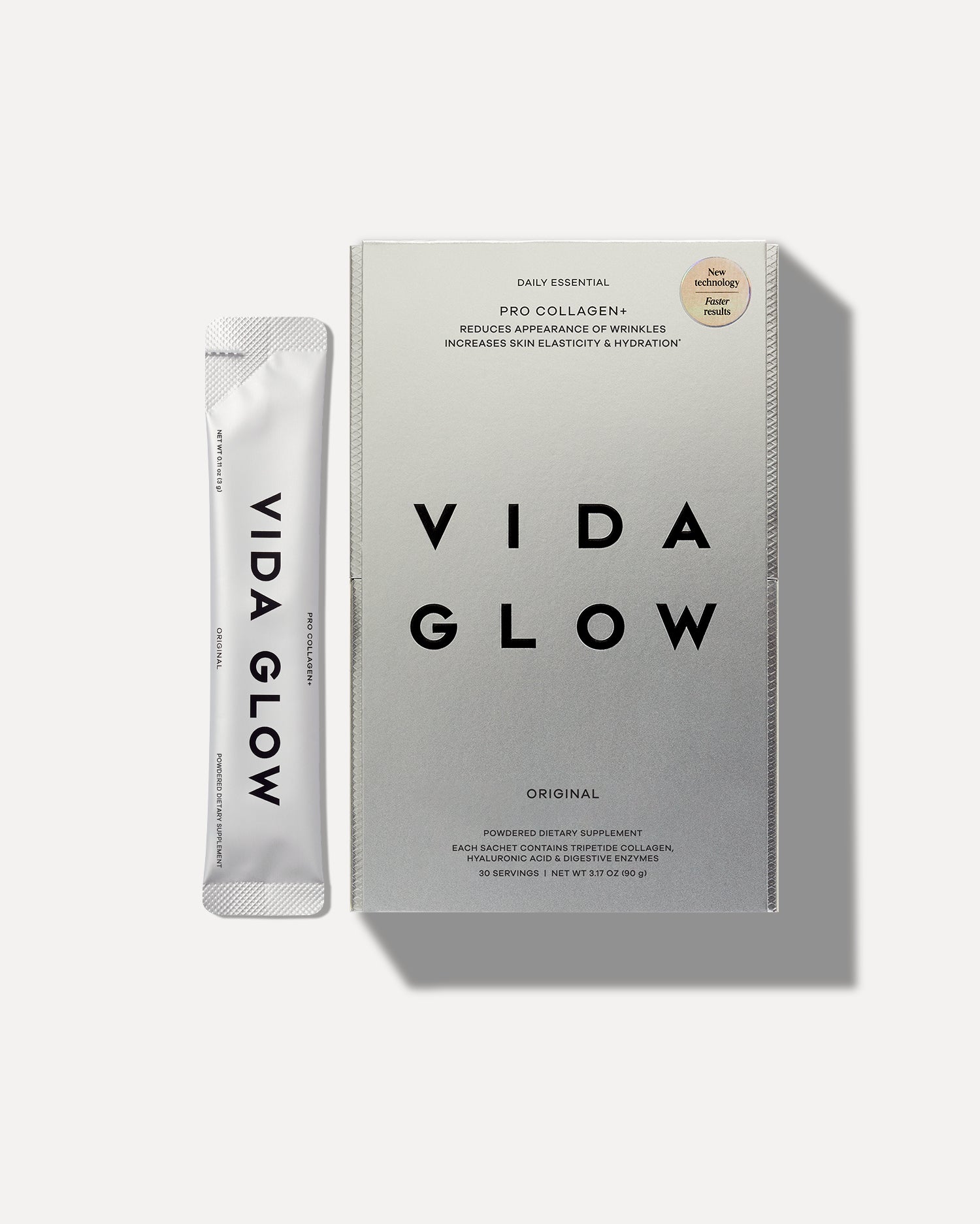
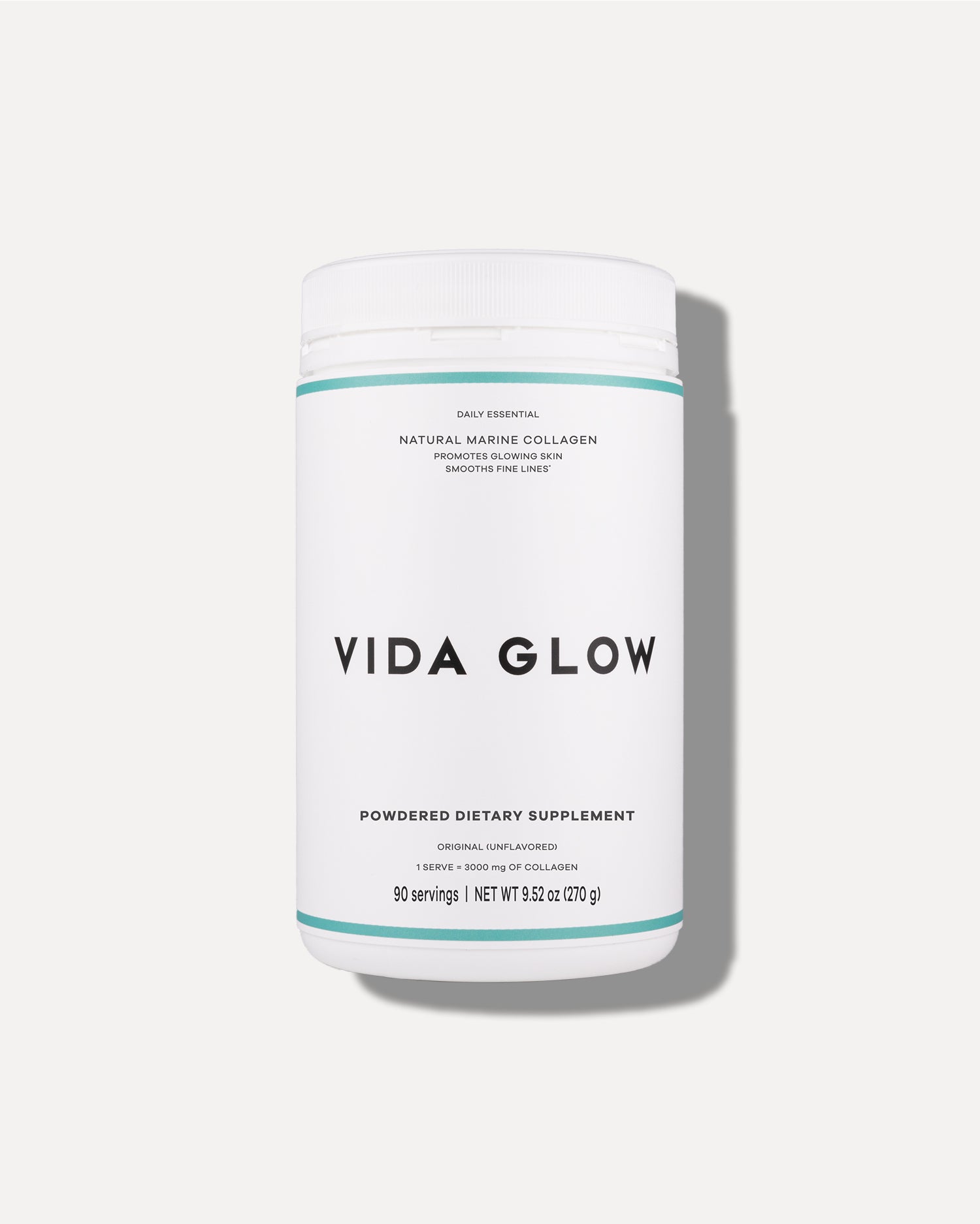
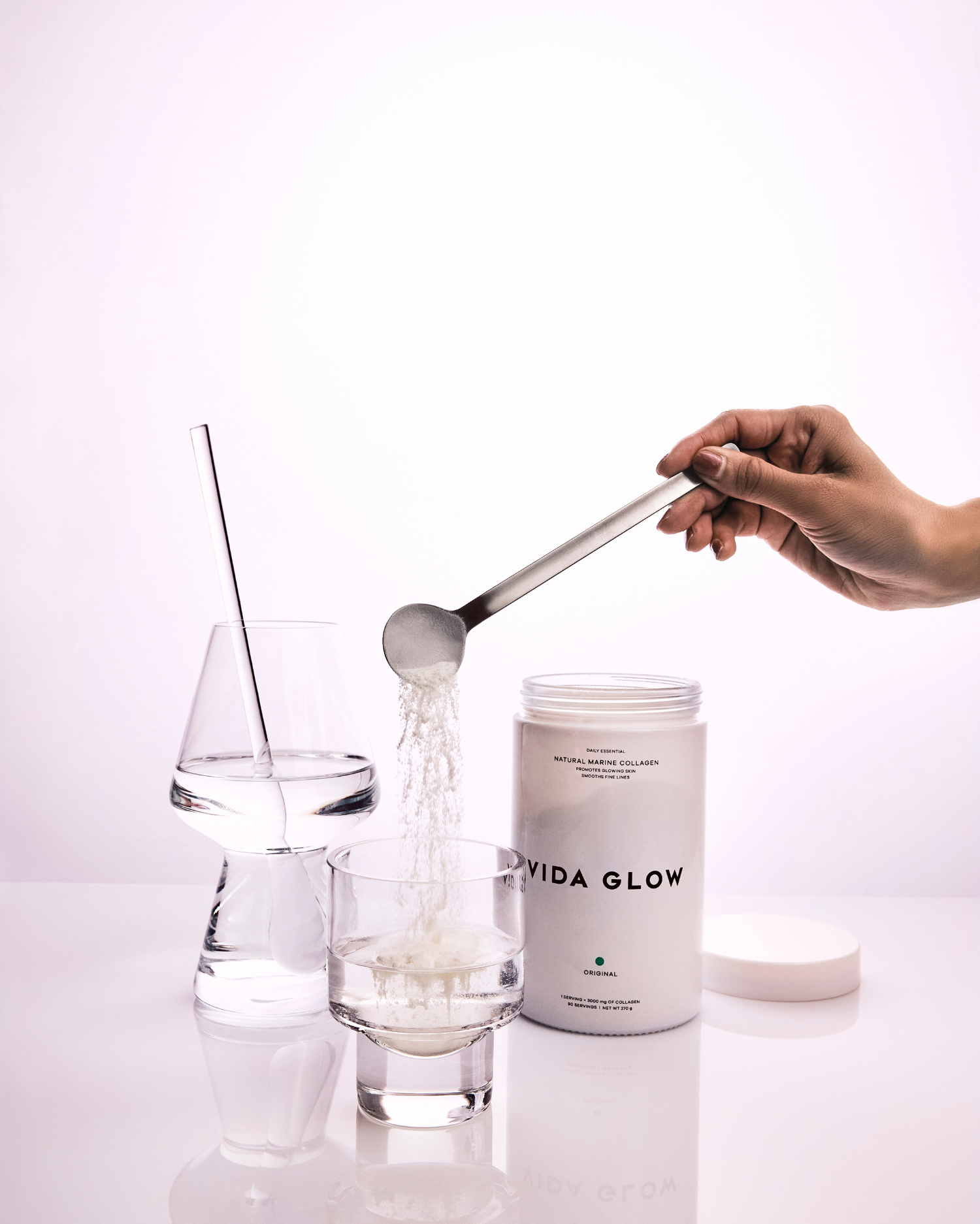
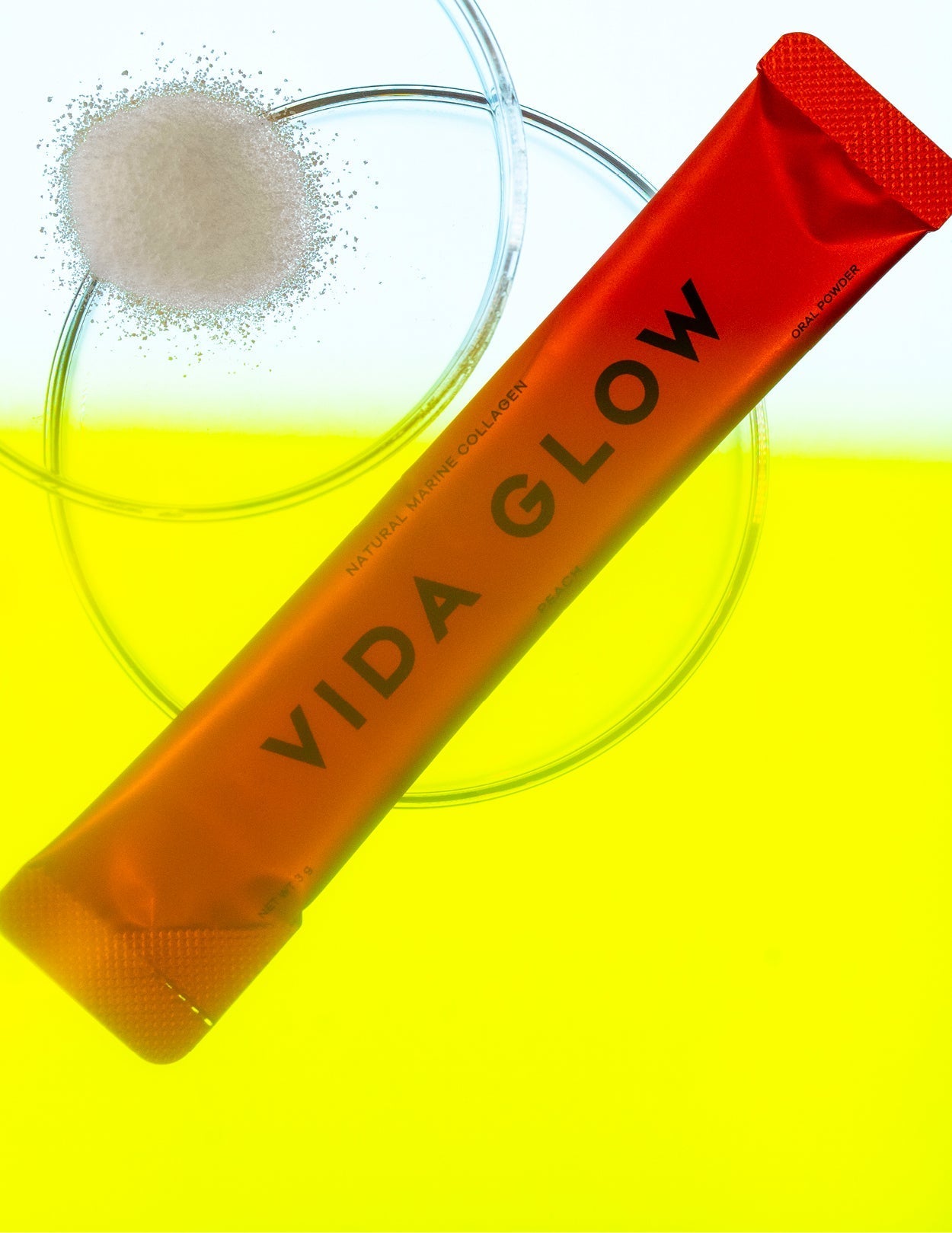
Format also influences consistency. Collagen sachets are pre-portioned single serves that deliver a measured dose, removing guesswork and making routine-building easier. Tubs of marine collagen powder suit those who already know their preferred dosage, since serve sizes can be tailored. People who would rather skip mixing tend to prefer the ready-to-drink format of marine collagen liquid.
What is the right collagen dose for hair growth?
Research linking collagen to hair improvements have used doses between 2.5g and 5g per day. The Oesser hair thickness study used 2.5g of bioactive collagen peptides daily for 16 weeks (Oesser, 2020), while broader skin trials commonly use 5g.
A practical approach to collagen dosing is as follows:
Results can be seen with as little as 2.5g daily. If you are new to collagen or are using it for maintenance, this would be your go to. If you are actively managing a hair or skin concern 5g daily is recommended. This is the most common dose used in clinical trials. For more advanced concerns, up to 10g per day, split across two daily doses would be best.
Doses above 9g per day haven't shown additional benefits in published literature, so consistency matters more than chasing a higher number. An effective collagen dose for hair growth taken daily for four months will outperform sporadic large servings. Vida Glow's range of collagen hair supplements uses clinically backed peptide blends within this dose range, with one sachet equivalent to 2.5g.
Timing of supplementation also affects results. Natural collagen production begins to decline in the late twenties, and the question of when to start taking collagen usually comes up around the same time as the first signs of fine hair or slower regrowth.
As with all collagen products, make sure to read the label of your collagen hair supplements and follow the dosing instructions to ensure safe and effective results.
How long until you see results?
Hair grows roughly 1cm per month, so how long collagen takes to work depends as much on your hair cycle as the dosage itself. Most people notice changes in this order:
-
Weeks 4 to 6: improved scalp comfort, less dryness and baby hairs appearing along the hairline
-
Weeks 8 to 12: reduced shedding, stronger strands and less breakage during brushing
-
Weeks 16 and beyond: visible thickness and density, consistent with the Oesser study endpoint
Most published trials on collagen supplements last between 8 and 16 weeks, which sets realistic expectations for when to assess hair changes. Subtle early indicators include glossier skin, faster nail growth and small baby hairs at the temples; these are the early signs your collagen is working before the hair itself looks visibly fuller.
Pairing collagen with other hair health strategies
Collagen sets the foundation, but damaged hair and active shedding often need a multi-pronged approach. Iron, zinc, biotin and selenium all play a role in normal follicle function, and deficiencies in any of these can blunt collagen's benefits.
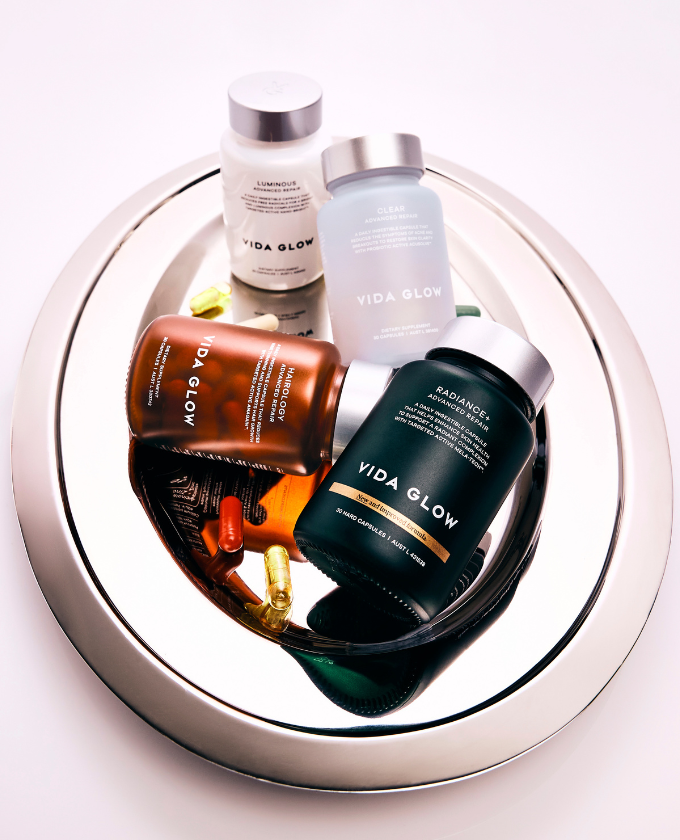
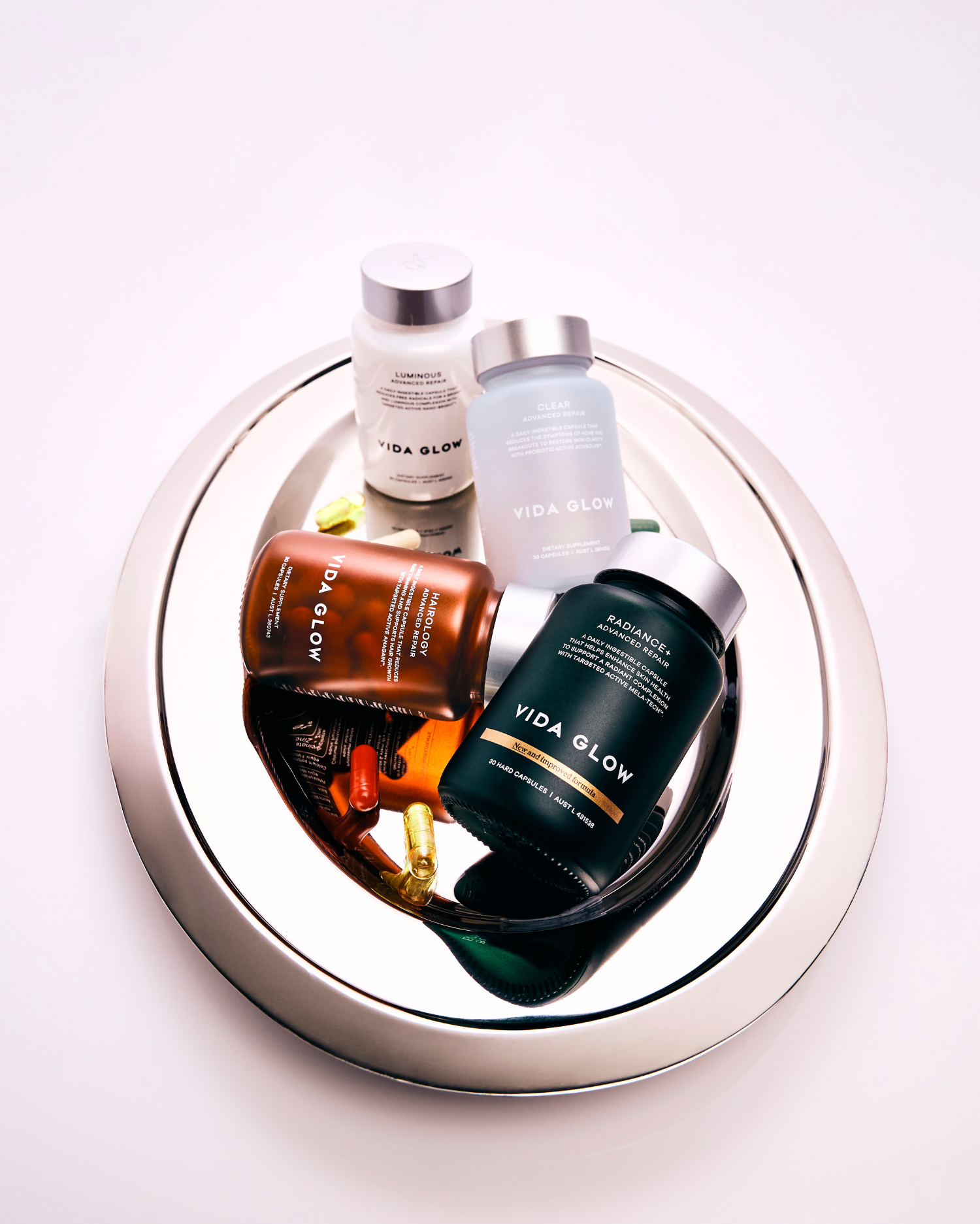
A targeted hair capsule like Hairology can sit alongside daily collagen for compounding effects, and choosing the right types of collagen for your needs ensures your formula matches the specific concern, whether that is thinning, breakage or post-partum recovery.
So, what’s the best collagen for hair growth?
The best collagen for hair growth combines a marine source, hydrolyzed peptide structure, Type I dominance and a clinically backed formula. Paired with a consistent daily dose and at least four months of patience, the evidence supports thicker, stronger and more resilient hair from the inside out.
Bibliography
Hwang, S. B., Park, H. J., & Lee, B. H. (2022). Hair-growth-promoting effects of the fish collagen peptide in human dermal papilla cells and C57BL/6 mice modulating Wnt/β-catenin and BMP signaling pathways. International Journal of Molecular Sciences, 23(19), 11904. https://doi.org/10.3390/ijms231911904
Lee, J. O., Kim, Y., Lee, J. M., Suk, J. M., Jung, I., Choi, S. Y., Yoo, K. H., Seok, J., & Kim, B. J. (2024). AP collagen peptides (APCPs) promote hair growth by activating the GSK‐3β/β‐catenin pathway and improve hair condition. Experimental Dermatology, 33(7), e15137. https://doi.org/10.1111/exd.15137
Oesser, S. (2020). The oral intake of specific bioactive collagen peptides has a positive effect on hair thickness. Nutrafoods, 1, 134–138. https://doi.org/10.17470/NF-020-0019